


Real Numbers on Energy Bills and Long-Term Value
What Is a Smart Thermostat and How Does It Work?
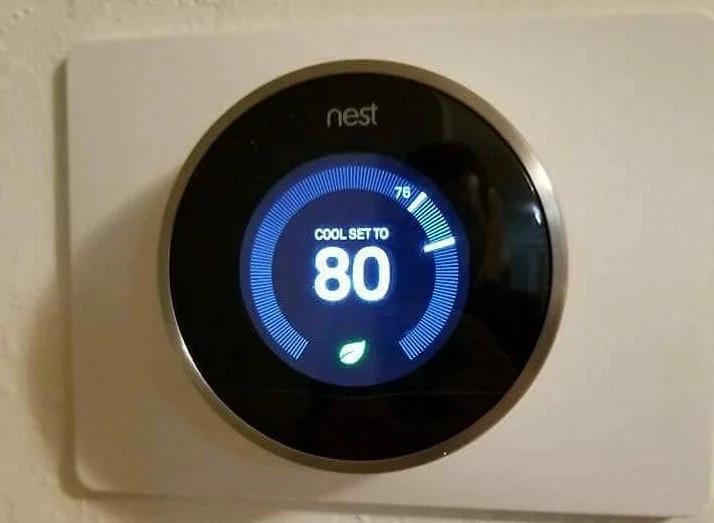
A smart thermostat is a WiFi-enabled device that replaces your traditional thermostat and learns your household’s temperature preferences, schedule, and energy usage patterns over time. Unlike conventional models that require manual adjustment, smart thermostats use sensors, algorithms, and mobile connectivity to automatically optimize your heating and cooling cycles based on occupancy, outdoor weather conditions, and time of day.
These devices connect to your home network and can be controlled remotely through smartphone apps, allowing you to adjust settings from anywhere. Most models integrate with voice assistants like Alexa or Google Home and provide detailed energy reports that show exactly when and how your HVAC system is operating. The thermostat continuously collects data about your home’s thermal characteristics, such as how quickly rooms heat up or cool down, and uses this information to make intelligent decisions that reduce runtime without sacrificing comfort.
In South Florida, where air conditioning runs nearly year-round, a smart thermostat’s ability to detect when you leave for work and automatically raise the temperature by a few degrees can translate into substantial monthly savings. The device will then begin pre-cooling your home 20-30 minutes before you typically return, ensuring comfort upon arrival while avoiding the energy waste of cooling an empty house all day. This adaptive behavior is the foundation of how these systems deliver measurable reductions in utility bills without requiring constant manual intervention.
How Smart Thermostats Cut Your Cooling Costs
Smart thermostats generate savings through three primary mechanisms: schedule optimization, adaptive learning, and operational efficiency. The most immediate source of cost reduction comes from eliminating the common mistake of cooling or heating an empty home. Traditional thermostats maintain the same temperature regardless of occupancy, which means your AC system may run at full capacity for eight hours while everyone is at work or school. A smart thermostat creates custom schedules that align your HVAC operation with actual occupancy patterns, typically reducing runtime by 15-25% in the first month alone.
The second savings mechanism is predictive pre-conditioning. Rather than waiting until you arrive home and then trying to cool a house that has warmed up all day, the device calculates the optimal start time based on current outdoor temperature and your home’s thermal mass. This prevents the energy spike that occurs when an AC system works overtime to rapidly cool a hot interior. In Miami’s climate, where outdoor temperatures regularly exceed 90 degrees from May through October, this feature prevents your compressor from running in the least efficient, highest-draw mode.
The third component involves maintenance alerts and system diagnostics. Many smart thermostats monitor your HVAC system’s performance and can detect issues like reduced airflow, refrigerant problems, or filter blockages that force your equipment to work harder and consume more energy. By alerting you to these issues early, the device helps you schedule timely AC maintenance service before minor inefficiencies become major energy drains. This proactive approach keeps your system operating at peak efficiency year-round, compounding your monthly savings.
What You Can Actually Save in South Florida
The financial impact of installing a smart thermostat varies based on your home size, insulation quality, and current HVAC efficiency, but field data from installations across the region provides realistic benchmarks. For a typical 1,800-square-foot home in the Cape Coral and Fort Myers area with central air conditioning, homeowners generally see monthly savings between $35 and $75 during peak cooling months (June through September), and $20 to $40 during the milder winter season when AC usage is intermittent.
Annual savings typically range from $300 to $600 for residential properties, with the higher end of that range occurring in homes where the previous thermostat was rarely adjusted and the AC ran continuously at a low setpoint. Commercial properties often see even greater absolute savings due to larger conditioned spaces and longer operating hours. A 3,500-square-foot commercial space in Miami with business hours from 8 AM to 6 PM can save $800 to $1,200 annually by implementing smart temperature control that raises setpoints during closed hours and optimizes pre-cooling cycles.
The payback period for a smart thermostat installation is usually 12 to 18 months, after which the device delivers pure cost savings for its remaining lifespan of 8-10 years. Homes with older HVAC systems or poor insulation may see smaller percentage improvements until those underlying issues are addressed through professional HVAC services. Conversely, newer high-efficiency systems paired with smart controls can achieve the upper range of savings by operating in the most efficient modes and avoiding unnecessary cycling. Real-world results depend on consistent use of the learning features and allowing the thermostat to make autonomous adjustments rather than constantly overriding its recommendations.
Understanding Installation Costs and Timeline
Professional installation of a smart thermostat typically costs between $175 and $350, depending on the complexity of your existing wiring and the specific model being installed. Most residential installations take 60 to 90 minutes and involve removing the old thermostat, verifying wire compatibility, mounting the new device, connecting it to your WiFi network, and configuring initial settings. Homes with older HVAC systems that lack a common wire (C-wire) may require additional wiring work, which can add $50 to $100 to the installation cost but ensures reliable power delivery to the thermostat.
The physical installation is only part of the setup process. A qualified technician will also verify that your existing HVAC system is compatible with smart controls, check that all heating and cooling stages respond correctly, and walk you through the mobile app configuration. This professional setup prevents the common mistakes that occur with DIY installations, such as incorrect wire connections that can damage your HVAC equipment or misconfigured settings that actually increase energy consumption instead of reducing it.
When you factor in the device cost (typically $120 to $250 for quality models), the total upfront investment ranges from $295 to $600. Given the annual savings outlined in the previous section, most homeowners recover this investment within the first 12 to 18 months. Beyond the financial return, professional installation through qualified AC installation service providers ensures your warranty remains valid and that the system is optimized for your specific equipment and usage patterns. Attempting self-installation may void manufacturer warranties and can result in configuration errors that diminish or eliminate the potential savings.
Choosing the Right Thermostat and Installation Partner
Selecting the right smart thermostat for your home starts with understanding your HVAC system configuration. Single-stage systems (where the AC is simply on or off) have different requirements than multi-stage or variable-speed systems that can operate at different capacity levels. Most modern smart thermostats support a wide range of system types, but verifying compatibility before purchase prevents installation complications. Popular models offer features like geofencing (which detects when you leave home based on smartphone location), humidity control, and integration with whole-home automation systems.
For South Florida homeowners, prioritize models that excel at cooling optimization rather than heating features you will rarely use. Look for thermostats with responsive mobile apps, detailed energy reporting, and the ability to create separate schedules for weekdays and weekends. Some models also offer utility integration programs that allow your power company to make minor temporary adjustments during peak demand periods in exchange for rebates or bill credits, providing an additional savings stream beyond the device’s native efficiency gains.
Working with a licensed HVAC professional for installation ensures the device is configured correctly from day one and that your existing equipment is in good condition to maximize the benefits. Technicians can identify issues like duct leaks, dirty coils, or refrigerant levels that might be undermining your system’s efficiency, allowing you to address these problems alongside your thermostat upgrade. Professional installation also includes verification that all safety controls are functioning properly and that the new thermostat communicates correctly with every component of your heating and cooling system. To explore your options and schedule a consultation, connect with qualified providers offering thermostat installation service tailored to Miami’s unique climate demands and energy landscape.